


If you’ve shopped around, you know that fiberglass window replacements can vary greatly in price depending on the contractor’s experience, the material you choose, and the size of your home. The truth is that each home is unique, so you need to take into account all the different variables that will affect your decision before making a final decision.
With the above in mind, one of the biggest trends in residential windows right now is the use of fiberglass windows. While it represents a bigger upfront investment, this alternative is regarded as the best option for long-term value – and for homeowners who want a more refined, high-end look than traditional vinyl.
But, are the savings real and in what form do they come? Here’s everything you need to know about installing fiberglass windows and the advantages it brings.
Why Fiberglass Window Replacements Cost More Upfront
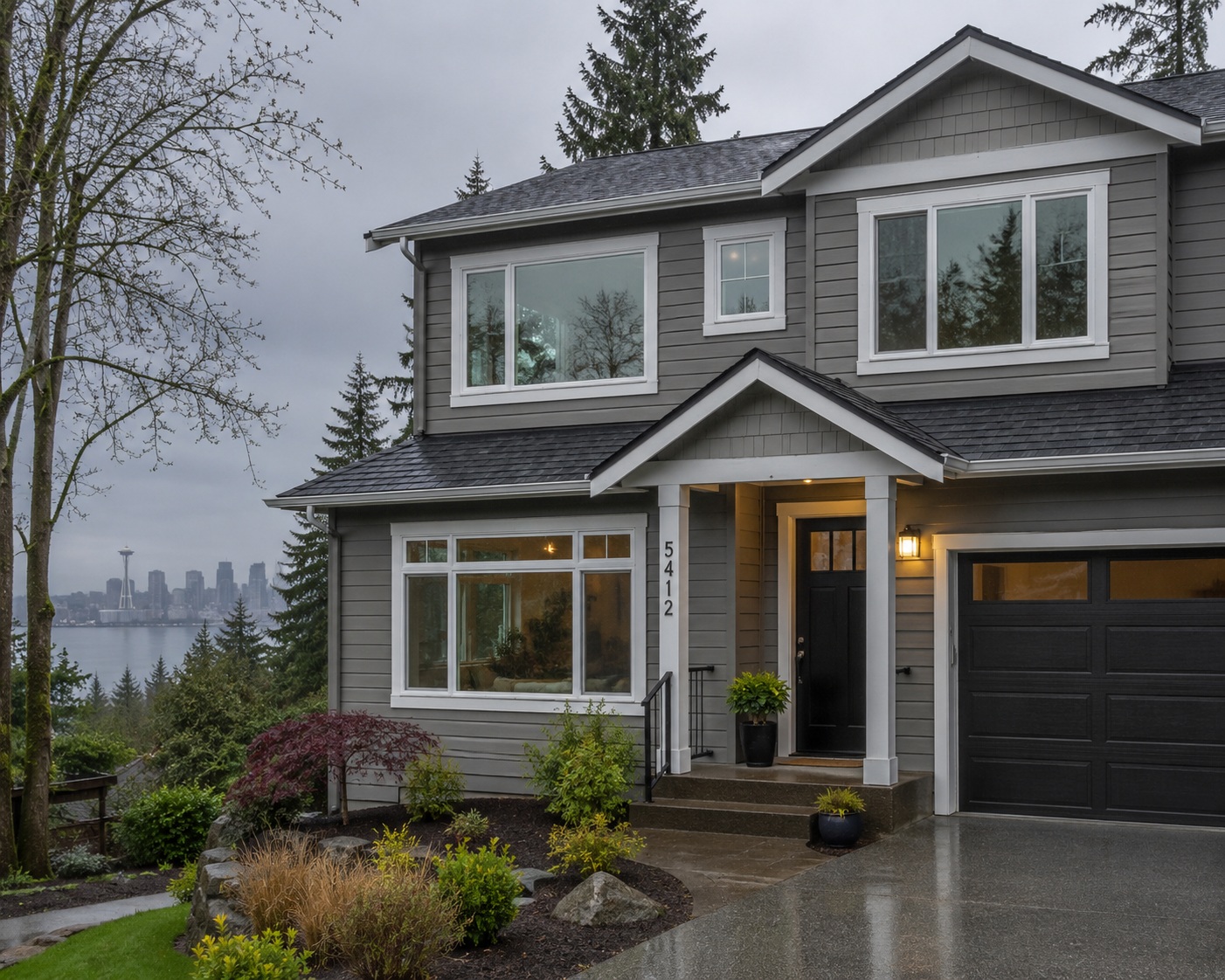
Homeowners researching the fiberglass window cost in Seattle often notice that these windows come with a higher upfront price compared to many alternatives.
The main reason is the material itself. Fiberglass frames are engineered to be stronger and more stable than vinyl, which means they require a more advanced manufacturing process. In addition, many fiberglass windows include higher-quality hardware, durable finishes, and advanced glass packages designed to improve performance, longevity, and curb appeal.
Another factor affecting the fiberglass window replacement cost is installation and customization. Fiberglass windows are often tailored to fit each home precisely, especially in older Seattle houses where openings may not be perfectly standard.
While the upfront investment may be higher, many homeowners find that the improved durability and performance help offset the initial expense over time.
Understanding the True Value: Lifespan Comparison
When evaluating window upgrades, it’s important to look beyond the initial purchase price and consider how long the windows will actually last.
The fiberglass window lifespan is one of the biggest reasons homeowners choose this material. In many cases, fiberglass windows can last 40 to 50 years or more when properly installed and maintained, significantly longer than many traditional window options.
This extended lifespan plays a major role in improving your overall window replacement ROI. Instead of replacing windows every couple of decades, homeowners can install fiberglass once and enjoy decades of reliable performance.
Fewer replacements, fewer repairs, and better energy efficiency can translate into real long-term savings while also adding lasting value to the home.
Why Fiberglass Performs Better in Seattle’s Climate
Seattle’s climate brings a unique mix of damp winters, mild summers, and frequent temperature shifts. Because fiberglass expands and contracts at a rate similar to glass, the fiberglass windows in Seattle homes tend to maintain a tighter seal over time. This stability helps reduce drafts and moisture infiltration, both of which are common concerns in the Pacific Northwest.
These qualities are a big reason many contractors recommend fiberglass as one of the best windows for Seattle weather. The frames resist warping, swelling, and cracking even after years of exposure to moisture and temperature changes. For homeowners who want reliable performance in rainy conditions, fiberglass provides a durable solution that holds up well against the region’s demanding climate.
Energy Efficiency: Winter Heating Savings
Heating costs can add up quickly during Seattle’s long, chilly winters, which is why many homeowners prioritize energy-efficient windows WA residents can rely on.
Fiberglass windows are designed to reduce heat transfer by creating a strong seal around the glass. When paired with modern double- or triple-pane glass, they help keep warm air inside while blocking cold drafts.
The result is noticeable window energy savings Seattle homeowners can benefit from throughout the year. With improved insulation and reduced air leakage, heating systems don’t have to work as hard to maintain comfortable indoor temperatures.
Over time, these energy savings can help offset part of the initial window investment while making the home more comfortable during the colder months.
Cost Comparison: Fiberglass vs Vinyl Windows
When comparing fiberglass vs vinyl windows, the first noticeable difference is the initial price. Vinyl windows typically have a lower upfront cost, which makes them a popular option for homeowners working within a tighter renovation budget.
However, fiberglass windows are built with stronger materials and more durable construction, which contributes to a higher fiberglass window cost Seattle homeowners may encounter.
The trade-off comes down to long-term performance. Fiberglass frames are significantly stronger and last longer than vinyl, which can reduce replacement and maintenance needs over time.
While vinyl provides good performance for many homes, fiberglass often delivers better durability, energy efficiency, and overall value for homeowners planning to stay in their homes for many years.
|
Feature |
Vinyl |
Fiberglass |
|
Cost |
Lower upfront |
Higher upfront |
|
Lifespan |
Shorter |
Longer |
|
Durability |
Moderate |
Very strong |
|
Energy efficiency |
Good |
Excellent |
|
Maintenance |
Moderate |
Low |
Why Professional Installation Matters
The installation of any home feature is just as important as the quality of the materials and windows are no exception. Fiberglass windows have to be installed properly in order to perform well and last for decades. Poor installation can lead to a shorter usable lifespan, allow for moisture to seep through, and cause similar functional issues.
As with all contactors, it’s important to work with a certified professional who is knowledgeable, has insurance, and can install your Infinity by Marvin fiberglass windows without voiding the product warranty.
Are Fiberglass Window Replacements Worth It?
If installed and maintained properly, fiberglass windows can last more than 5 decades so they’re a great investment. While upfront costs may be a little higher, it’s important to note that the durability of these windows and savings from improved energy efficiency often outweigh the difference in price.
We truly believe that the long-term value of fiberglass windows is worth the investment, but it’s normal to research all alternatives before choosing the best fit for your home. At Signature Window we carry a wide range of beautiful and functional fiberglass windows from Infinity by Marvin and offer both lifetime product as well as installation warranty.
Contact us today to get a personalized quote and learn more about the savings that upgrading to new fiberglass windows can bring to your home.
FAQ Section
Are Fiberglass Windows Worth The Cost In Seattle?
Yes. Fiberglass windows handle Seattle’s damp climate well, last decades, and improve efficiency. The long lifespan and energy savings often make the higher upfront cost worthwhile.
How Long Do Fiberglass Windows Last Compared To Vinyl?
Fiberglass windows often last 40–50 years or more with proper installation. Vinyl windows typically last 5-15 years depending on quality of installation, making fiberglass a longer-lasting option for homeowners.
What Is The Average Fiberglass Window Replacement Cost?
The average fiberglass window replacement cost ranges from about $1,800 to $3,500 per window installed in Seattle, depending on window size, operation style, finish selection, glass type, and installation complexity.
Are Fiberglass Windows More Energy Efficient Than Vinyl?
Fiberglass and vinyl windows can perform similarly in energy efficiency when first installed, especially with the same glass package. Over time, however, vinyl frames can expand, contract, and warp, which may weaken seals and reduce efficiency. Fiberglass remains more stable, helping it maintain a tighter seal and consistent performance long term.
Do Fiberglass Windows Increase Home Value?
Yes. High-quality fiberglass windows improve energy efficiency, durability, and curb appeal, which can increase home resale value and make properties more attractive to potential buyers.